Fact or fiction?

We encounter them everywhere—the myths about healthy sleep.
For example, we read or hear that sleep before midnight is best, or how we should or shouldn’t lie down. There are also plenty of misconceptions about sleep needs, the influence of the sleep environment, and sleeping positions. In this newsletter, we’ll set the record straight and explain which aspects you should consider from a postural and sleep therapy perspective to wake up well-rested and relaxed in the morning.
Myth: Sleeping on your back is best – FALSE
In our practice, we often hear people say, “I’ve heard that sleeping on your back is the healthiest position.” This makes us sit up and take notice. Where does this belief come from?
The reasoning that the supine position causes the least wrinkling of the décolletage and facial skin is understandable.
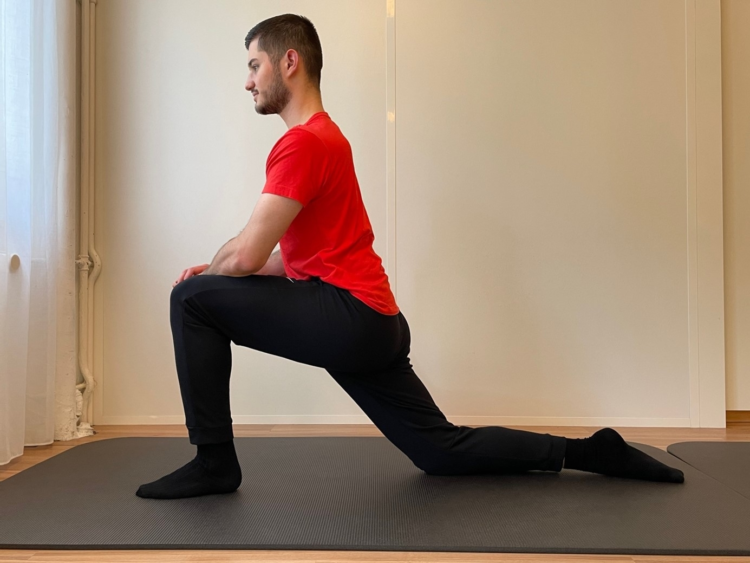
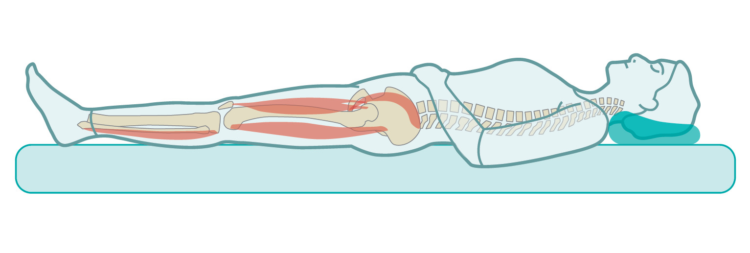
However, on social media and elsewhere, the doctrine of some pain therapists is spreading that frequent sitting in daily life shortens many muscle groups and that these can be stretched again by lying on your back. We consider this questionable because stretched muscles cannot relax.
Shortened muscle groups are indeed a widespread problem and the cause of many ailments, such as lower back pain. However: To correct these shortening issues, targeted, active exercises are needed.
Simply lying flat on your back all night does no good and is also, especially if you already have shortened muscles, rather uncomfortable, and sometimes even painful. So, exercise is essential, but please not at night—do it during the day! In bed, we recommend a comfortable and relaxed position. After all, relaxation is the most important prerequisite for healthy sleep.
The harder the mattress, the healthier—FALSE
Even though this myth persists in people’s minds, it can be quickly debunked. A hard mattress hardly adapts to the human body’s shape but forces the sleeper into an uncomfortable position where excessive pressure can even cause pain.
A good mattress should be neither particularly hard nor soft, but rather tailored in firmness to the sleeper. Ideally, the body is relieved of pressure in wider areas, such as the shoulders and hips. In narrower areas, such as the waist, support is needed via an adjustable slatted frame.
We particularly recommend a yielding surface and a well-supporting mattress core for people with high pressure sensitivity, such as rheumatism patients, people with whiplash, or those with MS.
How does the full moon affect sleep?
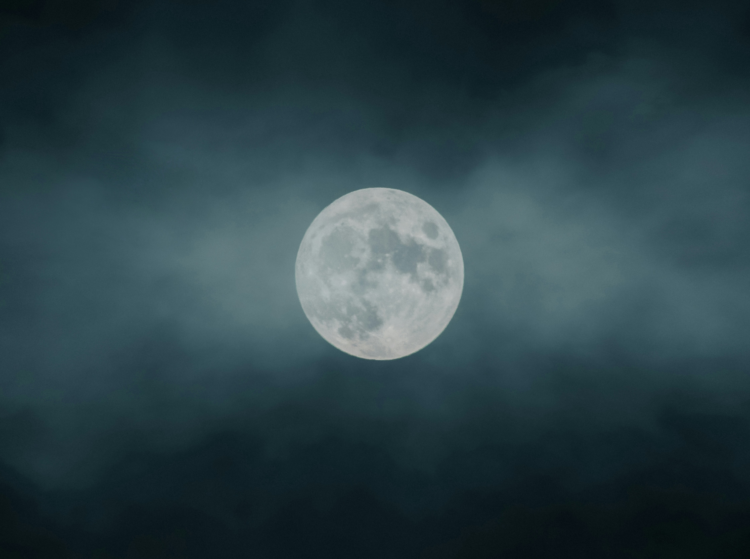
The effect of the full moon on our sleep remains controversial within the scientific community. While some people report sleeping worse during a full moon, studies yield mixed results. A 2013 study by the University of Basel found that participants slept about 20 minutes less around the time of the full moon. Other research, including comprehensive analyses by the Max Planck Institute, could not establish a clear link between the full moon and sleep patterns. Thus, the question of whether the full moon affects our sleep remains open and requires further research.
Tip from a sleep therapist
One undisputed fact, however, is that light has a significant influence on our ability to fall asleep. During a full moon, poorly darkened bedrooms can be brighter, which could disrupt sleep. Therefore, it is advisable to close the blinds and use blackout curtains during a full moon to fall asleep more easily.
Does the sleep environment affect our well-being even with our eyes closed?
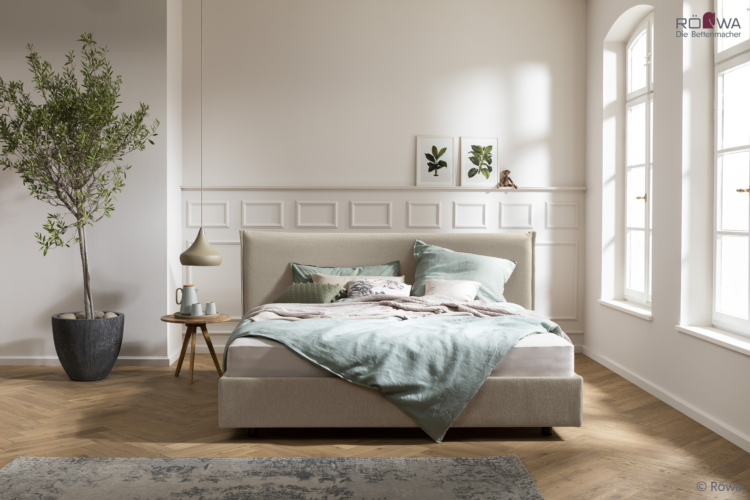
TRUE – For good, healthy sleep, in addition to the right bed, inner peace and relaxation are needed. There are many techniques and rituals to help you go to bed relaxed. This works best when we feel comfortable in the bedroom.
If the computer reminds us of work or the mountain of laundry and ironing board are still sitting in the corner, that doesn’t contribute to relaxation. Televisions, electronic devices, or large mirrors also create a lot of restlessness in the room.
Soft colors, tidiness, and appropriate lighting (dimmable and no blue light) can help create a peaceful space. Regular cross-ventilation ensures a pleasant atmosphere. All of this has a positive effect on our autonomic nervous system and thus promotes restful sleep.
Sleeping before midnight is best – FALSE
There is also a myth that you can make up for lost sleep. Neither of these claims is true.
Today, science shows that it is not just the duration of sleep, but above all the quality of sleep that determines how rested we start the day in the morning. Fundamentally, it is important to know that humans sleep in cycles of approximately 80–90 minutes, during which they go through several phases: falling asleep, light sleep, deep sleep, and the REM phase (also known as dream sleep). We feel particularly refreshed when we go through 4–5 of these phases undisturbed. The body and mind regenerate best during the first two sleep cycles, because that is when the deep sleep phase lasts the longest.
If we don’t get enough sleep, we’re simply in for a tired day. However, according to several studies, we cannot make up for lost sleep.
Another common misconception is: “A nap makes us feel refreshed again.” This is only partially true. People who have trouble falling asleep at night often meet part of their sleep need during the day through a long afternoon nap. As an alternative, we recommend a so-called “power nap” of 15–20 minutes. This puts us into a kind of trance, and the urge to sleep remains high in the evening, making it easier to fall asleep.