Did you get enough sleep? People who get enough sleep are less likely to get sick!

Getting enough sleep is healthy—many people agree on that. But how much sleep do we actually need?
The ideal amount of sleep for adults is between seven and eight hours. Claims by many people that they can get by on five or even fewer hours of sleep therefore belong more in the realm of fairy tales. Because such a sleep pattern can lead to cardiovascular disease, obesity, or even diabetes in the long term. Not to mention potential mental health issues such as depression, anxiety disorders, and breakdowns.
Age also has a major influence on our need for sleep. For example, this need decreases in people over 65. Babies, on the other hand, need up to 19 hours of sleep a day.
But how does sleep affect our immune system?
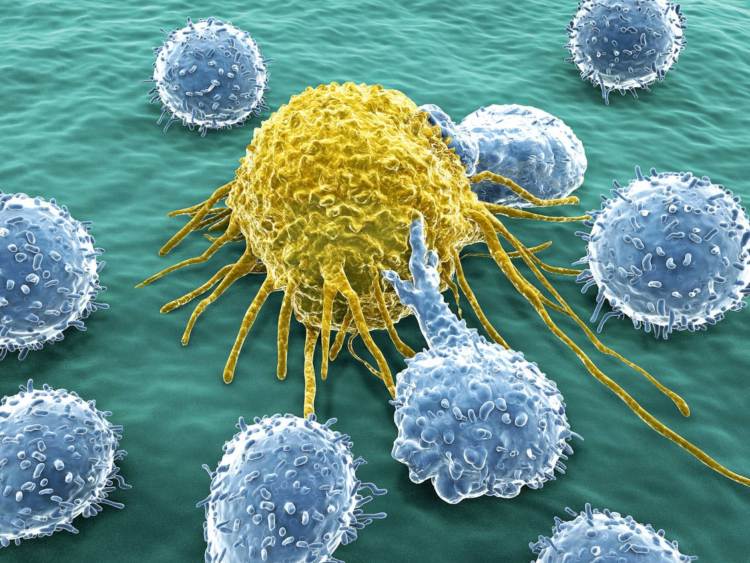
Crucial to the immune system are the so-called T-cells, a group of white blood cells that fight pathogens. Just three hours too little sleep per night significantly impairs the function of T-cells and other important immune cells.
On the positive side, this means that getting enough sleep actively supports our body in its daily fight against many types of infections.
Not only the duration of sleep, but also the quality of sleep is crucial for a healthy immune system. Sleep serves to regenerate the central nervous system and build long-term memory. During deep sleep, daily experiences are reorganized and transferred from short-term to long-term memory. The immune system also has something like a memory, which is likewise consolidated during sleep. When a pathogen enters our body, specialized immune cells immediately attach themselves to it, searching for a way to neutralize it. This information is passed on to other cells so that all of them can recognize the enemy and know how to eliminate it. However, these cells have a very short lifespan and can therefore only store this vital information for a brief period. Other specialists are needed for the long-term cataloging of pathogens: the T cells mentioned above. They essentially form the immune system’s long-term memory and ensure that “defense plans” for known pathogens are, so to speak, ready and waiting in the drawer.